Curt Manufacturing’s electronic brake controllers, like the I-1790, are vital for safe towing, ensuring synchronized braking between your vehicle and trailer.
These controllers are designed for trailers equipped with 2-8 electric brakes and vehicles utilizing 12-volt negative ground systems, demanding careful installation.
What is an Electric Brake Controller?
An electric brake controller is a crucial component in any towing setup involving trailers equipped with electric brakes. Essentially, it acts as the intermediary between the vehicle’s braking system and the trailer’s brakes, proportionally applying braking force to ensure safe and controlled stops.
Unlike standard trailer brakes activated by hydraulic pressure, electric brakes rely on an electrical signal. The controller receives a signal from the vehicle’s brake pedal and converts it into an electrical current sent to the trailer brakes. This current activates electromagnets within the trailer’s brake drums or rotors, engaging the brakes.
Curt Manufacturing’s controllers, such as the I-1790, are specifically designed for 12-volt negative ground systems and trailers with 2-8 electric brakes. Proper installation and adjustment are paramount for optimal performance and safety, as detailed in the installation manual.
Why Choose a Curt Brake Controller?
Curt Manufacturing has established itself as a leading provider of towing solutions, and their brake controllers are renowned for reliability and performance. Choosing a Curt controller, like the I-1790, means investing in a product designed for consistent and safe towing experiences.
These controllers are engineered to work seamlessly with a wide range of vehicles and trailers, specifically those with 2-8 electric brakes and 12-volt negative ground systems. The accompanying installation manual provides clear, step-by-step guidance, simplifying the installation process.
Curt prioritizes user safety and ease of use, offering features that allow for precise brake control and adjustment. Furthermore, their dedicated customer support team, reachable at 877.287.8634 or through CURTMFG.COM, provides assistance when needed, ensuring a confident towing journey;
Understanding the Curt I-1790 Model
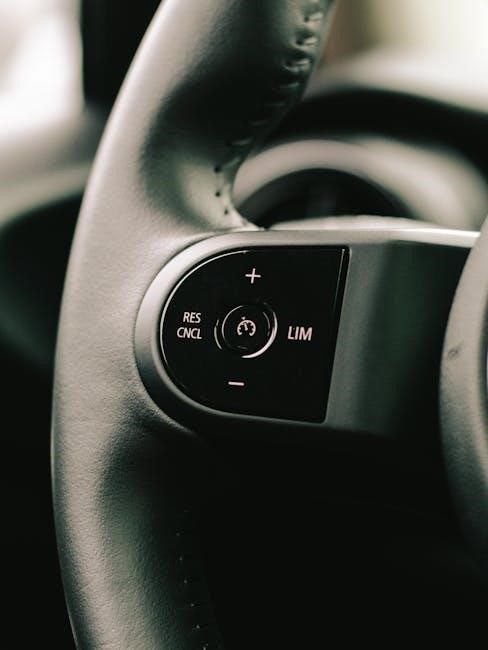
The Curt I-1790 is an electronic brake controller designed for 2-8 electric trailer brakes and 12V negative ground vehicles, per the manual.
Key Features of the I-1790
The Curt I-1790 boasts several key features designed for optimal trailer braking performance and user convenience. As outlined in the installation manual, this controller is specifically engineered for use with trailers featuring between two and eight electric brakes. It’s crucial to remember this controller is intended exclusively for vehicles operating on 12-volt negative ground systems.
The unit’s design prioritizes ease of use, allowing for precise adjustments to braking sensitivity and response. Proper installation, adhering strictly to the provided manual, is paramount to avoid damage to the controller or the vehicle’s electrical system. The manual emphasizes the importance of reading and understanding all instructions before commencing installation. This ensures a safe and effective braking system for your towing needs, providing peace of mind on the road.
Compatibility: Vehicles and Trailers
The Curt I-1790 demonstrates specific compatibility requirements detailed within its installation manual. This brake controller is expressly designed for vehicles equipped with a 12-volt negative ground electrical system – a standard in most modern vehicles, but a critical consideration. It’s essential to verify your vehicle’s system before installation.
Regarding trailers, the I-1790 supports those utilizing between two and eight electric brakes. This range covers a wide variety of trailer sizes and applications. The manual explicitly states incompatibility with other brake systems or vehicle electrical configurations. Failure to adhere to these compatibility guidelines can lead to improper operation, potential damage, and compromised safety. Always consult the manual to confirm your vehicle and trailer are suitable before proceeding with installation and use.

Installation Guide: Curt I-1790
Proper installation of the Curt I-1790 requires careful adherence to the provided manual, ensuring correct wiring and secure mounting for optimal performance.
Required Tools and Materials
Before commencing the installation of your Curt I-1790 electronic brake controller, gather all necessary tools and materials to ensure a smooth and efficient process. You will require a standard set of screwdrivers – both Phillips and flathead – alongside wire strippers and crimpers for secure electrical connections.
A multimeter is crucial for verifying voltage and continuity, while a drill with appropriate bits will be needed for mounting the controller securely within your vehicle. Don’t forget electrical tape for insulating connections and zip ties for neat cable management.
Essential materials include wire connectors, butt splices, and potentially, a wiring harness specifically designed for your vehicle to simplify the process. Having a flashlight or work light readily available will improve visibility, especially when working in confined spaces. Finally, always keep the installation manual close at hand for reference throughout the entire procedure.
Wiring Diagram Explanation
The wiring diagram provided with your Curt I-1790 is essential for correct installation. Typically, it illustrates connecting the controller’s power wire (usually red) to a 12V positive source, often an accessory wire, ensuring power only when the ignition is on. The ground wire (white) must be securely connected to a clean, unpainted metal chassis ground.
The brake output wire (blue) connects to the trailer’s brake wire, and the brake input wire (purple or gray) links to the vehicle’s brake light switch. Understanding the color coding is vital; incorrect connections can damage the controller or brake system.
Carefully trace each wire’s path, referencing your vehicle’s wiring schematic if needed. Proper connections guarantee the controller receives signals and activates the trailer brakes effectively, enhancing towing safety.
Step-by-Step Installation Process
Begin by disconnecting the vehicle’s negative battery terminal for safety. Mount the Curt I-1790 controller in a convenient, accessible location, avoiding direct sunlight. Next, connect the power wire to a 12V accessory source, ensuring it’s switched with the ignition. Securely ground the controller to a clean metal chassis point.
Connect the brake output wire to the trailer’s brake wire using a suitable connector. Attach the brake input wire to the vehicle’s brake light switch, often requiring a “piggyback” connector. Double-check all connections for tightness and proper insulation.
Reconnect the battery and test the controller’s functionality before hitting the road, verifying brake activation with each adjustment.
Setting Up and Adjusting Your Curt Controller
After installation, power up the controller and perform initial tests to confirm proper operation; adjust sensitivity and response for optimal, safe braking performance.
Initial Power-Up and Testing
Upon completing the installation, before hitting the road, a thorough power-up and testing sequence is absolutely crucial for ensuring the Curt I-1790 brake controller functions correctly. Begin by verifying the controller receives power – typically indicated by an illuminated display.
Next, with the vehicle safely parked, activate the manual brake control lever or pedal. Listen for a distinct click from the trailer brakes, confirming the electrical connection and activation.
Perform a slow-speed test drive in a controlled environment. Gently apply the brakes in your tow vehicle and observe the trailer’s braking response. The trailer should brake smoothly and in sync with the vehicle. If there’s any delay, uneven braking, or no response, immediately investigate the wiring and connections.
Adjusting Brake Sensitivity and Response
Fine-tuning the Curt I-1790 is essential for optimal braking performance tailored to your specific trailer and load. The controller features adjustable settings for both sensitivity and response, allowing you to customize the braking force.
Start with a moderate sensitivity setting and gradually increase it during a test drive until the trailer brakes engage smoothly and effectively without being overly aggressive.
Response time controls how quickly the trailer brakes react to your vehicle’s braking. A faster response is suitable for heavier loads or situations requiring quicker stopping, while a slower response is better for lighter loads. Adjust these settings incrementally, always prioritizing safe and controlled braking during testing.

Troubleshooting Common Issues
Addressing problems with your Curt controller involves checking power, wiring connections, and brake activation; ensuring proper function is crucial for towing safety.
Controller Not Powering On
If your Curt I-1790 fails to power on, begin by verifying the connection to the vehicle’s 12-volt power source. Confirm the inline fuse, typically located within the wiring harness, hasn’t blown – replace if necessary.
Next, inspect the ground wire connection; a loose or corroded ground is a frequent culprit. Ensure it’s securely fastened to a clean, unpainted metal surface on the vehicle’s frame.
Double-check all wiring connections, referencing the installation manual’s wiring diagram to confirm correct placement. A faulty connection can interrupt the power supply. Finally, test the power supply at the controller’s wiring connector using a multimeter to confirm voltage is present.
Brakes Not Activating
Should your trailer brakes fail to activate despite the controller displaying power, first verify the trailer’s brake wiring. Inspect the trailer connector for corrosion or loose connections, ensuring a solid link to the vehicle.
Confirm the trailer’s brake drums or rotors are in good condition and aren’t seized. Check the trailer’s brake magnets for proper functionality; a weak or damaged magnet won’t engage the brakes effectively.
Review the controller’s output settings, ensuring the output voltage is appropriately adjusted for your trailer’s brake system. A low output setting may not provide sufficient power to activate the brakes. Finally, manually test the trailer brakes to isolate whether the issue lies with the controller or the trailer’s braking system itself.
Erratic Brake Performance
If you experience inconsistent or jerky braking, investigate potential wiring issues thoroughly. A loose or corroded ground connection is a frequent culprit, causing intermittent signal disruptions. Examine all wiring connections at the controller, connector, and trailer axles, tightening or cleaning as needed.
Uneven wear on trailer brake shoes or drums can also contribute to erratic performance. Inspect brake components for wear and replace them if necessary. Verify that all trailer tires are properly inflated and of similar size, as imbalances can affect braking stability.
Adjust the controller’s sensitivity and response settings to fine-tune the braking action, ensuring smooth and predictable stops.
Maintenance and Care
Regular inspection and cleaning of the Curt controller, alongside its wiring, are crucial for optimal performance and longevity, ensuring safe towing experiences.
Cleaning and Inspection
Periodic cleaning of your Curt electric brake controller is essential for reliable operation. Dust and debris can accumulate, potentially causing corrosion or interfering with electrical connections. Use a soft, dry cloth to wipe down the controller’s exterior, avoiding any harsh chemicals or abrasive cleaners.
Thoroughly inspect all wiring connections, ensuring they remain secure and free from damage. Look for any signs of frayed wires, loose terminals, or corrosion. Pay close attention to the connections at the controller itself, as well as those at the vehicle’s wiring harness and the trailer connector. A visual check can identify potential problems before they escalate into more serious issues. Regularly verifying these connections contributes significantly to the overall safety and performance of your braking system.
Long-Term Storage
Preparing your Curt electric brake controller for extended storage is crucial to prevent damage and ensure functionality when you need it again. Disconnect the controller from the vehicle’s power source to avoid battery drain and potential electrical issues. Clean the unit thoroughly, removing any dust or debris as outlined in the cleaning and inspection section.
Store the controller in a cool, dry environment, protected from extreme temperatures and humidity. A climate-controlled indoor space is ideal. Consider placing the controller in a protective case or wrapping it in a dust cover. Before reconnecting after storage, carefully inspect all wiring and connections for any signs of corrosion or damage. Proper storage safeguards your investment and maintains the controller’s performance.

Safety Precautions
Always prioritize electrical safety and a fully functional brake system when installing or using your Curt controller; read the manual carefully before proceeding.
Electrical Safety
Prior to commencing any installation work, disconnect the negative terminal of your vehicle’s battery to prevent accidental short circuits and potential electrical shock. Ensure all wiring connections are secure and properly insulated, avoiding any exposed wires that could cause hazards. When splicing into existing vehicle wiring, use appropriate connectors and techniques to maintain the integrity of the electrical system.
Never exceed the current rating of the brake controller or any associated fuses. Incorrect wiring or overloading can lead to overheating, fire, or damage to the vehicle’s electrical components. If you are unfamiliar with automotive electrical systems, it is strongly recommended to seek assistance from a qualified professional. Always double-check your work against the wiring diagram provided in the installation manual to confirm correct connections.
Brake System Safety
Before operating your vehicle and trailer, thoroughly test the brake controller and trailer brakes to ensure proper functionality. Perform a low-speed test in a safe, open area to verify that the trailer brakes engage smoothly and effectively. Regularly inspect the brake lines, hoses, and connections for any signs of damage or leaks, addressing any issues immediately.
Always adhere to the recommended weight limits for your vehicle and trailer, as exceeding these limits can compromise braking performance and stability. Proper weight distribution is crucial for safe towing; ensure the load is balanced correctly within the trailer. Familiarize yourself with the operation of the manual override feature on the brake controller, which allows for independent control of the trailer brakes in emergency situations.